
Picking Validators and Navigating DeFi on Solana: Why Your Wallet Choice Matters
Beste 10 online casino’s België —vergelijking
July 2, 2025Master the Drop: Plinko demo
July 3, 2025Picking Validators and Navigating DeFi on Solana: Why Your Wallet Choice Matters
Ever been halfway through staking your tokens and suddenly paused, wondering if you’re really doing it right? Yeah, me too. Something about the whole “validator selection” process on Solana’s DeFi scene felt a bit like guesswork the first time I dove in. It’s not just about picking a name with good rep; it’s a tangled web of trust, performance, and security that can either make or break your yield. Honestly, the stakes feel high—not just figuratively but literally when your funds are locked up.
And hey, that’s just the tip of the iceberg. The wallet you use to interact with these protocols plays a surprisingly huge role. I mean, you wouldn’t just toss your savings into some random app, right? Especially when mobile convenience meets complex DeFi mechanics, the balance between usability and security becomes this tightrope walk where many slip.
So, what’s the deal with validator selection on Solana? Initially, I thought it was as straightforward as picking the biggest validators with the longest uptimes. But then I realized… that’s just scratching the surface. Validators vary in commission fees, reliability, and sometimes their software choices, which can impact your rewards and risk. And guess what? Not all wallets make it equally easy to vet or switch validators—some hide this info behind layers of menus, while others put it front and center.
Now, here’s the thing: mobile apps have come a long way, but they’re not all created equal for DeFi on Solana. I tried a couple before landing on one that didn’t make me feel like I was juggling chainsaws in the dark. The interface matters—like, a lot. Because if the wallet’s UX is clunky, you’re more prone to mistakes, which is the last thing you want when real money’s on the line.
Whoa! Speaking of wallets, if you haven’t checked out the solflare wallet, you might be missing out on a pretty sleek option that balances security with mobile-friendly design. It’s been my go-to recently, and I gotta say, it handles validator selection and DeFi integrations in a way that just clicks.
Okay, so check this out—the validator landscape on Solana isn’t just about numbers. There’s a subtle dance of decentralization vs. efficiency that’s constantly evolving. Validators with massive stakes might offer stability, but they also risk centralizing the network. On the flip side, smaller validators could be more cutting-edge but less reliable. At first, I leaned heavily toward big names, but then I started to diversify, splitting stakes among mid-sized validators that showed promise and good community feedback.
Here’s where things got interesting: some DeFi protocols on Solana incentivize staking with specific validators, which can skew your options if you want maximum rewards. This felt like a trap at first—almost like being nudged into a vendor’s corner at a market. But actually, after digging deeper, I realized these incentives could be leveraged smartly, provided you keep an eye on validator performance and fees. It’s a bit like picking stocks—not every shiny option is gold.
Hmm… I recall the first time I tried staking via mobile. The app I used was slow, and switching validators was a maze. My instinct said, “This can’t be the norm.” That’s when I started hunting for wallets that didn’t just serve as keys but as intuitive dashboards that make staking and swapping feel natural, even on the go.
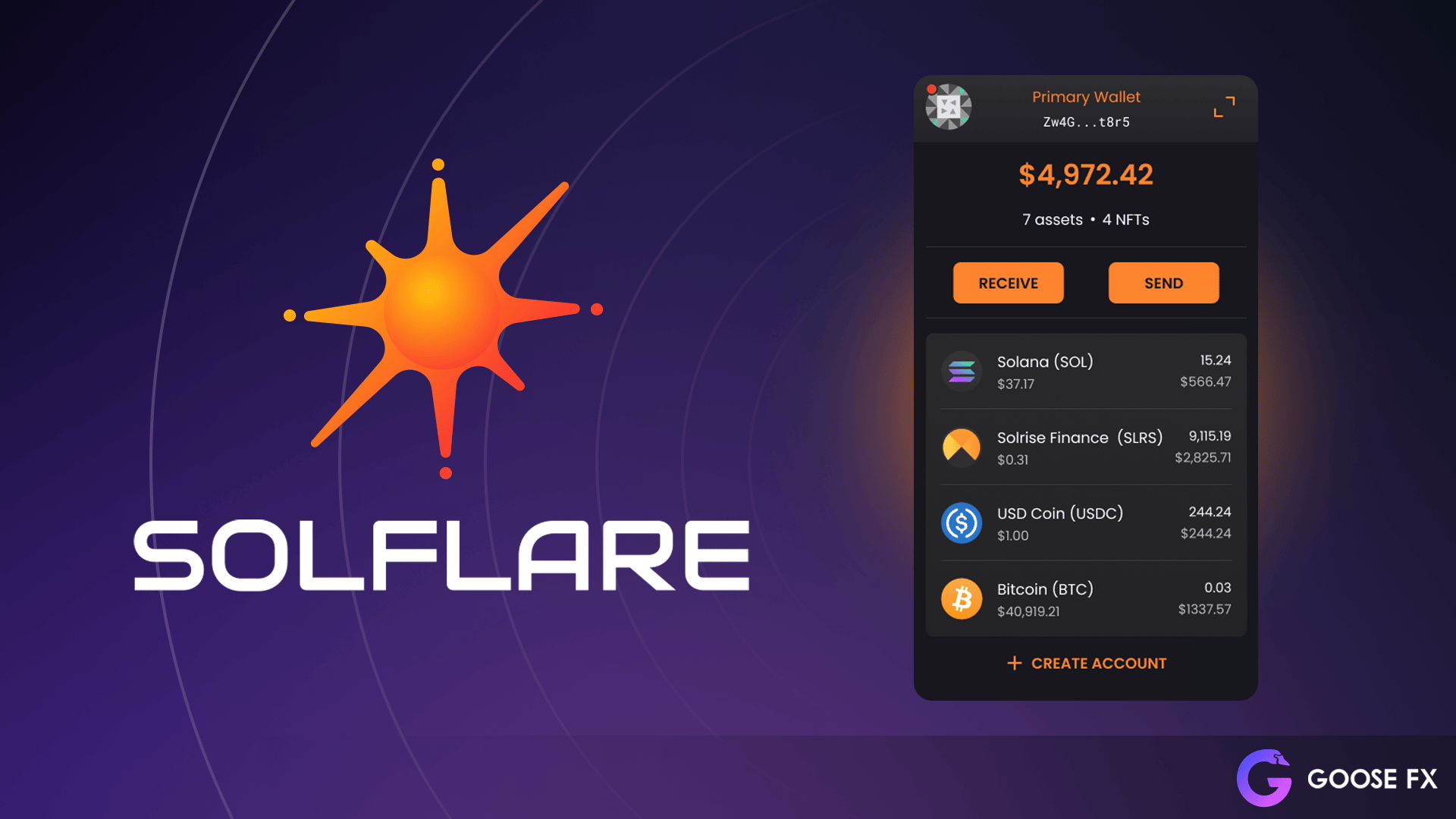
Now, about security—this part bugs me. Mobile wallets walk a fine line. They need to be user-friendly but also bulletproof against hacks. Some wallets store private keys in ways that feel a bit too exposed, especially on phones that get lost or stolen. The solflare wallet takes a layered approach here, combining encrypted key storage with biometric locks and backup options, which honestly gives me peace of mind.
On one hand, DeFi on Solana offers incredible yield opportunities, but on the other, it’s a wild west of smart contracts and validators that not all users fully vet. I’m still cautious, and I try not to put all my eggs in one basket—both literally and figuratively—by spreading stakes and using wallets that let me monitor everything in real-time.
Something else I stumbled upon was the community aspect. Validators often have Discord servers or Telegram groups where they update users about downtime or upgrades. Being connected here helped me avoid some nasty surprises. It’s a bit of a manual step, sure, but it pays off when you’re staking for the long haul.
Here’s the thing—staking isn’t set-it-and-forget-it, at least not if you want to optimize returns. You gotta keep an eye on slashing risks, validator performance metrics, and fee changes. The best wallets I’ve used, including solflare wallet, integrate notifications and stats that make this follow-up less of a chore and more of an engaging process. Trust me, it beats constantly refreshing your screen or digging through blockchain explorers.
Now, I’m not gonna pretend this whole validator selection and mobile DeFi thing is foolproof. There are bugs, delays, and sometimes the UX feels like it was designed by engineers who forgot regular users exist. But that’s where wallets like solflare stand out—they’re built by folks who get the ecosystem’s quirks and try to smooth the bumps as much as possible.
And yes, mobile apps have limitations. Screen size, battery life, and app permissions can all impact your experience and security. Still, the convenience of managing your staking and DeFi positions on the go is a game-changer, especially if you’re juggling multiple protocols. I find myself checking stats during coffee breaks or on the subway, which wouldn’t be practical with desktop-only setups.
Honestly, I’m biased, but if you’re in the Solana sphere and you care about both staking and DeFi, giving the solflare wallet a whirl is worth your time. It’s not perfect—nothing is in crypto—but it hits a sweet spot for me between security, usability, and feature depth.
Before I wrap this up, I gotta admit: sometimes I get overwhelmed by the sheer number of validators and DeFi protocols popping up. It’s like trying to pick the best diner in a city of a thousand. But taking a step back, focusing on wallets that empower you to make informed choices—and not just blindly follow trends—makes the whole process less intimidating.
So, next time you’re about to stake your SOL or dive into a new DeFi protocol on your phone, remember: it’s not just about the yield or the numbers. It’s about the tools you use, the validators you trust, and how much control you actually have at your fingertips. And yeah, sometimes you gotta trust your gut, even if it’s telling you to double-check again…
